11th meeting of the Hungarian EU Peers community: what are the national plans for the OSS network?
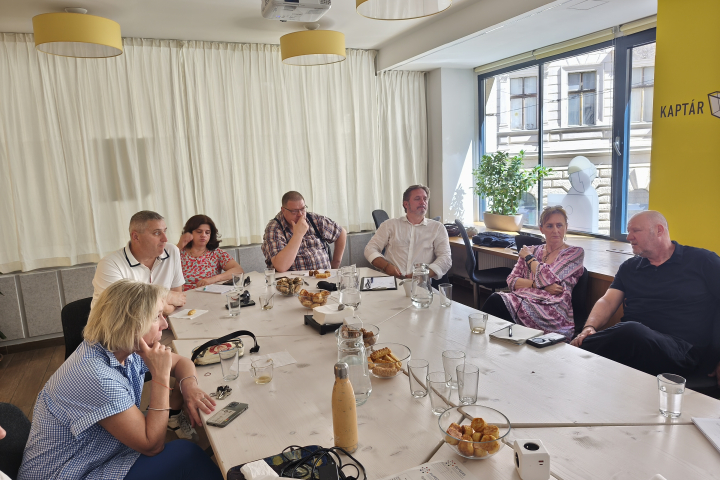
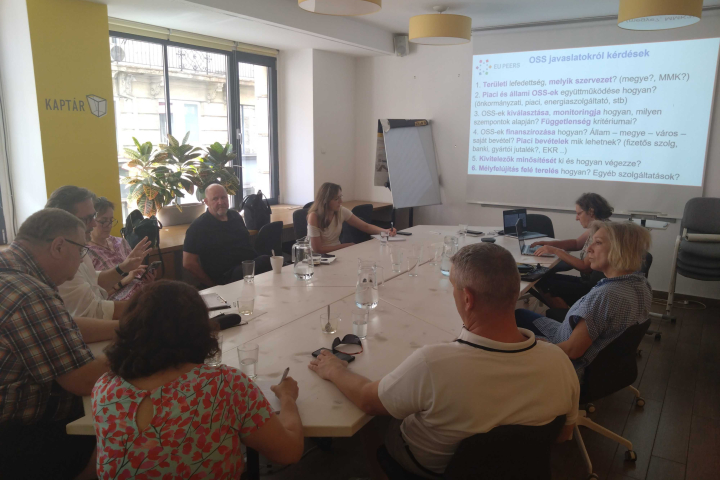
Hungarian one-stop shop advisers, and the organisations supporting them met for the eleventh time on 15 October, organised by the Energiaklub Climate Policy Institute, where the most pressing issue was the discussion of the provisions set out in the draft of the National Building Renovation Plan (NÉT), with emphasis on the details of establishing the national OSS network.
The NÉT is not yet widely published and is not final, but the general direction seems to be taking shape based on what has been discussed in previous working groups, and at conferences. Based on the requirements of the EPBD (Energy Performance of Buildings Directive), the NÉT primarily targets the renovation of detached houses built before 1990, but it is expected that the plan will also take into account modernisation programmes for blocks of flats. The NÉT envisages long-term, predictable programmes, which is particularly important in Hungary, and aims to involve private funding to a greater extent. A separate chapter in the NÉT deals with the OSSs, which was presented by Károly Oelberg (AACM). They intend to set up a three-tier network in which the central organisation would, in addition to managing the call for proposals, also monitor and ensure the quality of local OSSs and operate the central online platform. Local one-stop-shop administrators, local authorities and civil society organisations could apply to become local OSSs; they would be expected to act with independence and provide objective information. It is also important to run an awareness-raising campaign and provide technical, financial and administrative services, ideally throughout the entire customer journey. Another plan is to draw up a list of certified contractors, which would guarantee the achievement of energy savings.
Balázs Nattán, project manager at Budapest Public Utilities, outlined the current status of the Budapest Green Panel Programme. To this point, 11 districts have joined, most recently the local authorities of District XIX and XV. The decision-making documents are being prepared, but there are some districts where too few have applied, so the call for applications is being reopened. The proposal of the new EKR (Energy Efficiency Obligation Scheme) was also discussed, which are not yet finalised. It is expected that the obligation on households will be reduced, control measures will be tightened, and the catalogue sheets will be reviewed, which may also affect the free loft insulation programmes.
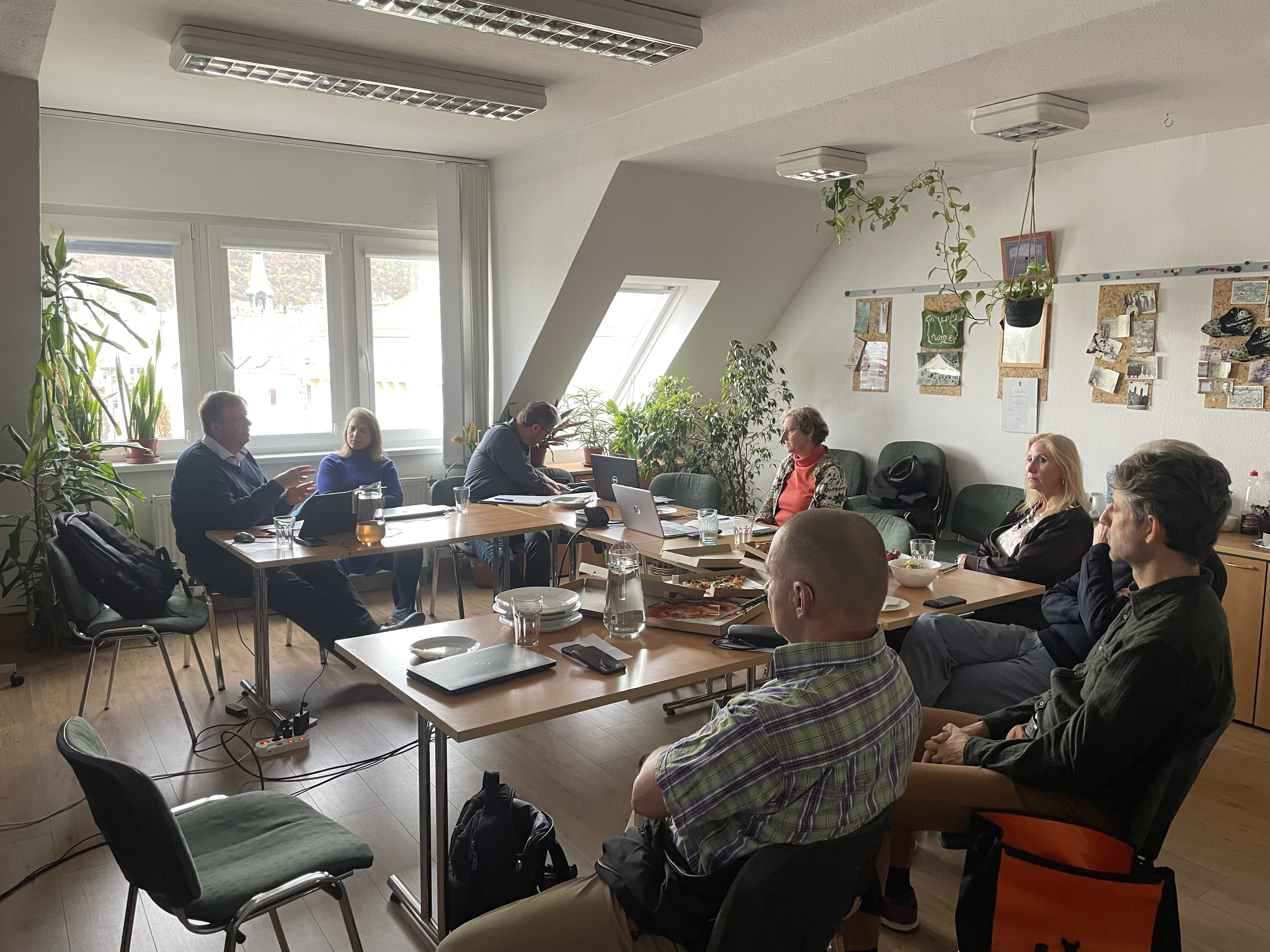
Following the conclusion of the EU Peers I project in August, the community summarised the results achieved so far. The Hungarian community comprises nearly 70 members: OSSs in detached houses and block of flats, consultants, local authorities, development agencies, financial institutions and civil society organisations. Proposals regarding the development of OSS systems have been drawn up at both EU and national levels; European OSSs and their characteristics have been assessed; numerous training and mentoring programmes have been implemented; a dedicated campaign was launched for local authorities explaining why it is beneficial to set up OSSs; and national OSS communities have been established in seven countries. The key results can be viewed in the project’s closing video. The Hungarian community organised further training for local authorities for more than 15 municipal experts; at several round-table discussions with decision-makers, it outlined the recommended criteria for setting up a national OSS network; it compiled the strengths and weaknesses of the former Home Renovation Programme; and it also made proposals for reforming the EKR system. Energiaklub forwarded these recommendations to the decision-makers.
The EU Peers II project was launched in September, aiming to further expand and strengthen national communities and establish new ones in Poland, Bulgaria, Croatia and Slovenia. It also aims to establish communities of OSSs in the Czech Republic, Slovakia and Romania, and a number of regional (e.g. Central and Eastern European) meetings and knowledge-sharing events will take place. Training courses will continue, with a particular focus on energy poverty, monitoring and funding, and the local authority campaign will also be continued. Furthermore, the project aims not only to monitor the activities of OSSs but also the national implementation of the EPBD, and to compare countries’ progress in applying the Energy Performance of Buildings Directive. In this way, the project will provide useful information not only to one-stop shop advisors in the traditional sense but also to the entire renovation ecosystem.
The project runs from 1 September 2026 to 31 August 2029 under Grant Agreement No. 101295054 (LIFE25-CET-EU Peers II). It builds directly on the EU Peers project, which ran from September 2023 to August 2026.

Co-funded by the European Union. Views and opinions expressed are however those of the author(s) only and do not necessarily reflect those of the European Union or CINEA. Neither the European Union nor the granting authority can be held responsible for them.