You are not alone
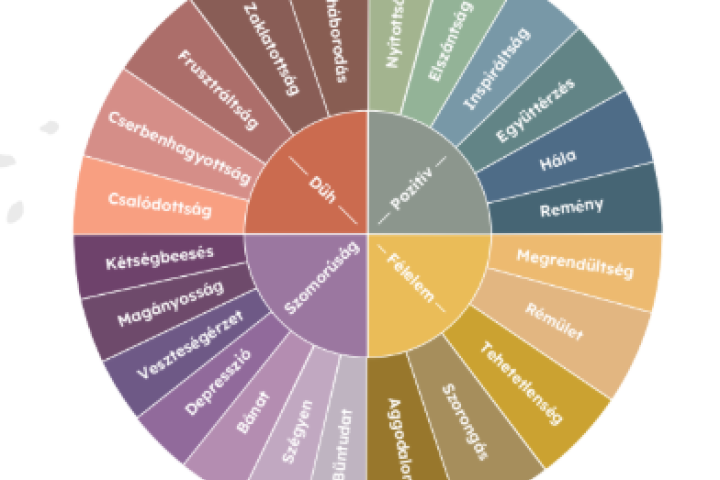
Public discourse on climate change is increasingly centred on numbers, scenarios, and risks. Much less attention is paid to what all this triggers emotionally, especially in young people. Feelings of anxiety, helplessness, anger, guilt, abandonment, or even paralysis have now become part of many young people’s everyday lives.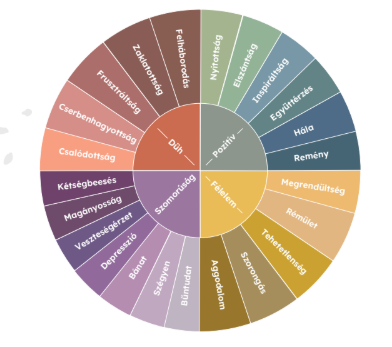
That is why we have prepared a short support guide specifically aimed at helping young people affected by climate anxiety. We primarily recommend it for teachers, educators, youth workers, civil society organisers, and community actors to read and use. This is not a therapeutic handbook, nor is it a piece encouraging “positive thinking”, but rather a genuine, practical resource offering ideas for those who, as parents, teachers, psychologists, or media professionals, want to understand the issue and respond to these emotions responsibly.
The guide prepared by our policy institute is based on the idea that there is no single “right” response to climate anxiety: what helps is action. Actions that are accessible to young people, and which they experience not as an obligation but as an opportunity. The detailed guide offers support and examples for this in an empathetic, gradual, and sustainably useful way.
The first step: recognising and legitimising climate emotions
Our most important starting point is that emotional reactions to the environmental crisis are valid and not abnormal. Anxiety, fear, anger, or even hope are not “good” or “bad” emotions, but understandable responses to a real situation. These emotions may appear in different forms and intensities, and it is also important to understand that rejecting or trivialising these feelings tends to reinforce anxiety.
In group sessions, school classes, or youth programmes, it can already reduce the emotional burden if these feelings can be spoken out loud and are not challenged by anyone. This reduces the sense of isolation and creates the foundation for safe conversation. It is important to stress that if these emotions deepen and cause lasting problems, it is worth turning to a professional.
What can be done about climate anxiety?
The key to a long-term solution is active engagement, especially in community with others. This is supported by the central element of the guide, the activity ladder, which uses thematic ideas to show that everyone can get involved in climate action at their own pace.
The activity ladder – opportunities for action step by step
The very first and safest entry point is gaining information and learning.
Getting to know reliable sources, joining film clubs and reading groups focused on climate change, or taking part in climate games can all be ways of understanding the connections without becoming overwhelmed. Each of these examples is a form of shared learning, which helps reduce anxiety and lays the groundwork for moving forward.
For those who want to take action to reduce climate risks, the most effective route is to reduce energy consumption, primarily in the areas of building energy use and transport.
Transport is an area of life that runs through everyday routines. Choosing walking, cycling, and public transport; opting for car-sharing instead of driving alone; taking the train instead of flying; or choosing domestic travel are all decisions that not only reduce emissions but often become shared community experiences as well. Cycling together or joining a challenge reduces the sense of isolation and reinforces the feeling that action does not have to be taken alone.
Through the topic of energy awareness and energy efficiency, it becomes possible to understand that one of the greatest impacts in preventing the critical worsening of climate change can be achieved in the area of household energy use. Avoiding overheating in winter and overcooling in summer (during the day in winter, 20°C, and at night, 18°C, should be enough), washing at lower temperatures, ventilating consciously, using LED lighting, or even monitoring energy consumption are all steps that provide quick and tangible feedback: there is room to act, and individual decisions do make a difference. These steps also often start conversations within families or with flatmates, which further strengthens the sense of shared responsibility.
If a climate-anxious young person is interested in where emissions can be reduced most quickly, the greatest impact can be achieved in the areas of transport and energy efficiency.
In the area of shopping and lifestyle, we deliberately did not formulate prohibitions, but instead offer ideas for conscious simplification. Packaging-free solutions, buying and repairing second-hand clothes, creating a capsule wardrobe, introducing one or two meat-free days a week, or reducing food waste do not mean deprivation for many young people, but rather mental relief. “Buy nothing” type challenges can also help people rethink their consumption habits without creating guilt.
One of the strongest components of climate anxiety is the feeling of loneliness, which is why the guide strongly recommends community connection. Eco film clubs, reading circles, community composting, bicibus initiatives, or organising a community garden are all activities that create the experience that there is strength in unity and that many small actions add up, while also making long-term engagement more sustainable.
In our guide full of practical examples, we also devote special attention to gardening and greening. Balcony gardening, joining community gardens, composting, or tree planting all create a direct, physical connection with nature. These slow, tangible activities produce visible results and, for many people, have a particularly strong anxiety-reducing effect.
We should not forget the importance of mental well-being either. Managing climate anxiety also requires inner work: keeping a climate journal, reading self-awareness books, attending wellbeing workshops, joining self-help groups, or even having one day of digital detox per week can all contribute to helping young people grow emotionally stronger and act from that place.
Recommended apps
There are also useful apps and online initiatives connected to the topic. We recommend the following:
- Beeco app
- Tudatos Vásárló app
- miutcank.hu
- bringazzamunkaba.hu
- jarokelo.hu
The project is implemented within the framework of the project “Gear UP! - Global Citizenship Education Actions to Strengthen Youth Engagement Through Local Support to LAs and CSOs, to Accelerate Progress Towards Sustainable Development”, carried out in partnership by the HAND Association and co-financed by the European Union, with the Hungarian HAND Association as partner (GearUp/HU001/2025). Its content is the sole responsibility of Energiaklub and does not necessarily reflect the views of the European Union. Through this initiative as well, Energiaklub contributes to achieving Hungary’s climate neutrality goals — not only at the policy level, but also at the societal level.