The contribution of one-stop shops to the launch of the Budapest Green Panel Program (BZP)
There are 300,000 flats in multi apartment buildings in Budapest - only 20% of which have proper insulation. That's why it's crucial that the Budapest Green Panel Program, organized by the Capital and the participating district municipalities, has been launched, with the Budapest Public Utilities being entrusted with its implementation.
The program's total funding for the next period is 5 billion forints (about 1.3 billion forints per year), which, with a minimum funding intensity of 30% and the remainder financed from own resources and bank loans, will enable investments totaling approximately 17 billion forints. The BZP expects a 30% energy saving in residential buildings constructed using industrialized technology.
The program consists of two phases: first, applications can be submitted for an energy assessment and the preparation of a decision-making document (DEA). For the winners, this will be carried out by the Budapest Public Utilities as a free service. In round two, the Budapest Metropolitan Municipality and the district municipality will provide a non-repayable grant covering 30% of the renovation costs of the buildings ranked and selected based on the decision-making materials - with 60% financed by bank loans and 10% by the residents' association. In the program, the representatives of the homeowners' association and the housing cooperative presidents play a key role in compiling and submitting the application. Moreover, in case of a successful application, their role is prominent in the decision-making process of the residential community, as well as in maintaining contact with the bidders. At the same time, the Budapest Public Utilities Budapest Green Panel Program team provides active professional support to applicants in these matters, as a kind of one-stop shop service.
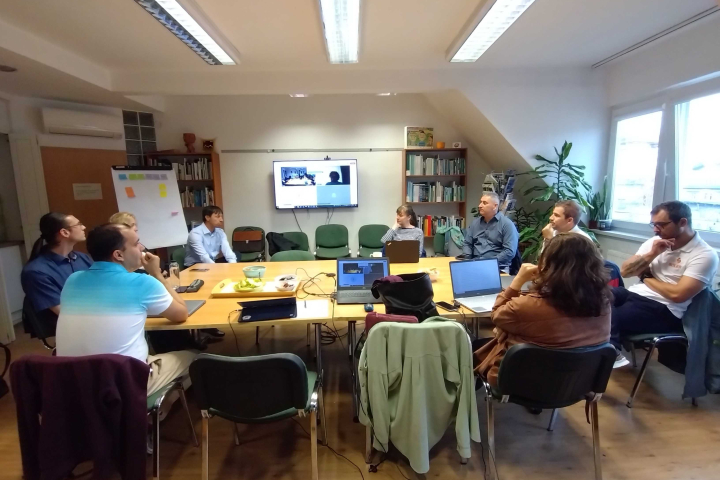
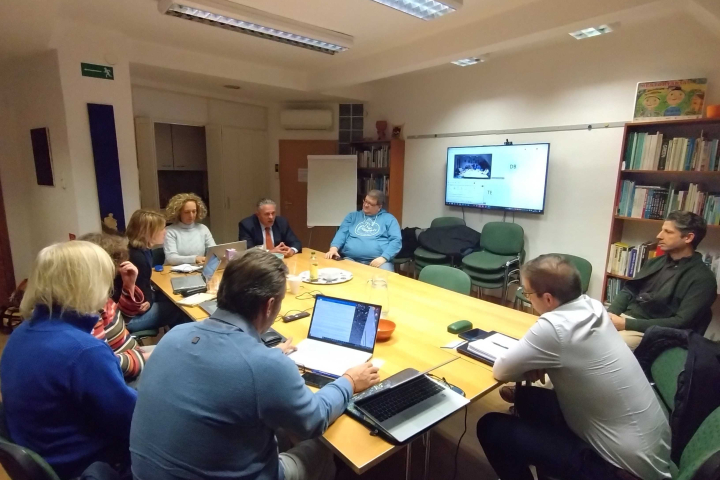
An exemplary element of this program is that several practical experts involved in condominium renovations were involved in drafting the call for proposals, and a number of specialists dealing with condominiums helped fine-tune the proposal in an expert workshop organized by the Hungarian Energy Efficiency Institute: contractors, project managers, banking experts, energy specialists, EKR specialists, technical inspectors, joint representatives, condominium managers, and local governments. Several one-stop shops who are also members of the EU Peers community, participated in this workshop and contributed their suggestions to the modification of the call for proposals, so the implementation is expected to run more smoothly.
The two-round tender process and the provision of project preparation as a free service are unique and exemplary. Condominiums and housing cooperatives are often reluctant to finance the preparation costs, which can run into millions of forints, from their own resources, without which it is impossible to make an informed decision on the optimal order of energy investments. During project preparation, the decision-making material prepared for the residential community includes an energy and technical assessment, a summary of residents' needs, renovation alternatives and cost estimates based on these, and a statement of savings and costs. This material can also function as a renovation passport as recommended in the European Union's Energy Performance of Buildings Directive (EPBD), facilitating planned, phased, well-thought-out renovations and their scheduling.
The main objective of the condominium renovation subsidy is to achieve the greatest possible specific primary energy savings, which is why thermal insulation, window and door replacement, and heating modernization play a particularly important role. It is noteworthy that the program finances 30 percent of the significant construction costs (typically amounting to several hundred million forints) of the complex investment.
The first districts to accept applications for the program from joint representatives and condominium managers are Districts III, IX, X, and XIII. For more information about the Budapest Green Panel Program in Hungarian, please visit this page. In addition, a short video introducing the program is available here.