SMEnergy partners gathered for the fourth time – pilots, action plan, and a bakery as a good example of green transition
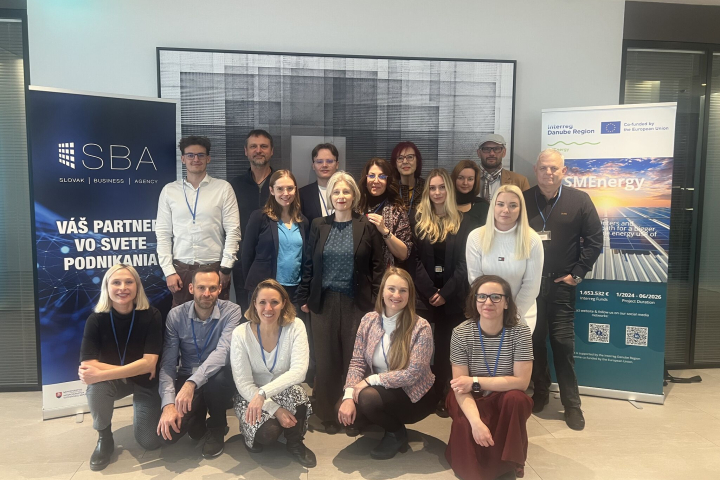
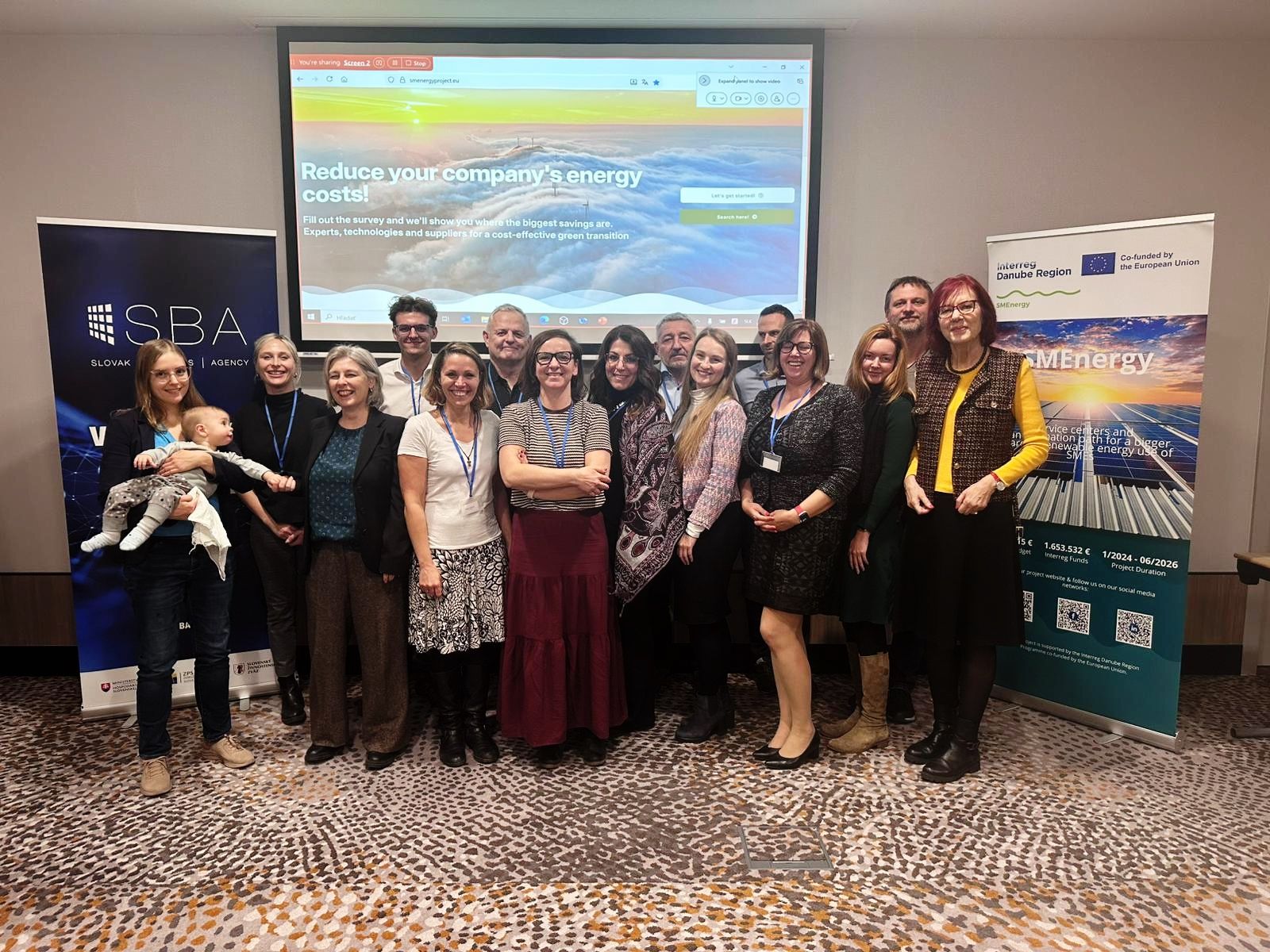
On November 19-20, 2025, the SMEnergy project held its fourth consortium meeting in Bratislava. The event was hosted by the Slovak Business Agency (SBA) and the Slovak Ministry of Economy. At the 2-day long meeting the project partners supported by the Danube Region Programme jointly evaluated pilot activities supporting the green energy transition of small and medium-sized enterprises, as well as continued to work on the project's transnational strategy and action plan.
Pilot reports: how do GEKOS services work in practice?
At the beginning of the gathering, the Slovak partners presented their own pilot project: community energy initiatives and the related community hub, through which SMEs can access information, advice, and partners in one place.
Then, several countries gave brief reports on the progress of GEKOS (Green Energy Knowledge, Operation and Service) service points, the energy transformation roadmap, and the testing of the Green Energy Database. The presentations clearly showed that the pilots are being implemented in different ways: in some cases, the focus is on personal advice and energy audits, while in others it is on setting up regional service centers and testing the practical use of the online self-assessment tool and database.
The partners shared their initial experiences of how SMEs are responding to the self-assessment tool, what types of services they are most interested in (energy audits, investment advice, financing guidance), and what obstacles they face in each country - from financing uncertainty to capacity shortages to low awareness.
One element of the meeting was a world café and strategic workshop led by PC-Trend and EIfI-Tech. Participants worked in small groups on how to:
• involve SMEs more effectively in the pilots;
• make GEKOS hubs more attractive and sustainable in the long term;
• embed the main tools of SMEnergy – roadmap, database and marketplace, GEKOS services – into the national and regional institutional environment.
During the workshop, the partners jointly drew up a "draft" of the SMEnergy transnational strategy and formulated initial ideas for action plans to be developed by each partner. Based on the experience and challenges of their own countries', the groups identified possible goals, metrics, and concrete steps that can be implemented within the project timeframe, as well as those that serve the long-term sustainability of the GEKOS hubs.
On behalf of Energiaklub Climate Policy Institute, Áron László presented the results of SO1 (situation analysis and transnational analysis) and the current status of the Hungarian pilot project - an SME support model based on energy consulting - and actively participated in the action plan development work.
A good example for green transition in practice: visiting a bakery in Kvetoslavov
On the second day, participants visited an SME - a bakery in the town of Kvetoslavov -, which is a good example of how a small business can become greener step by step through conscious energy management and renewable solutions. During the site visit, representatives of the bakery presented the measures they are taking to reduce their energy consumption, how they think about their investments, and what business benefits they see in the green transition – from cost savings to appealing to environmentally conscious customers.
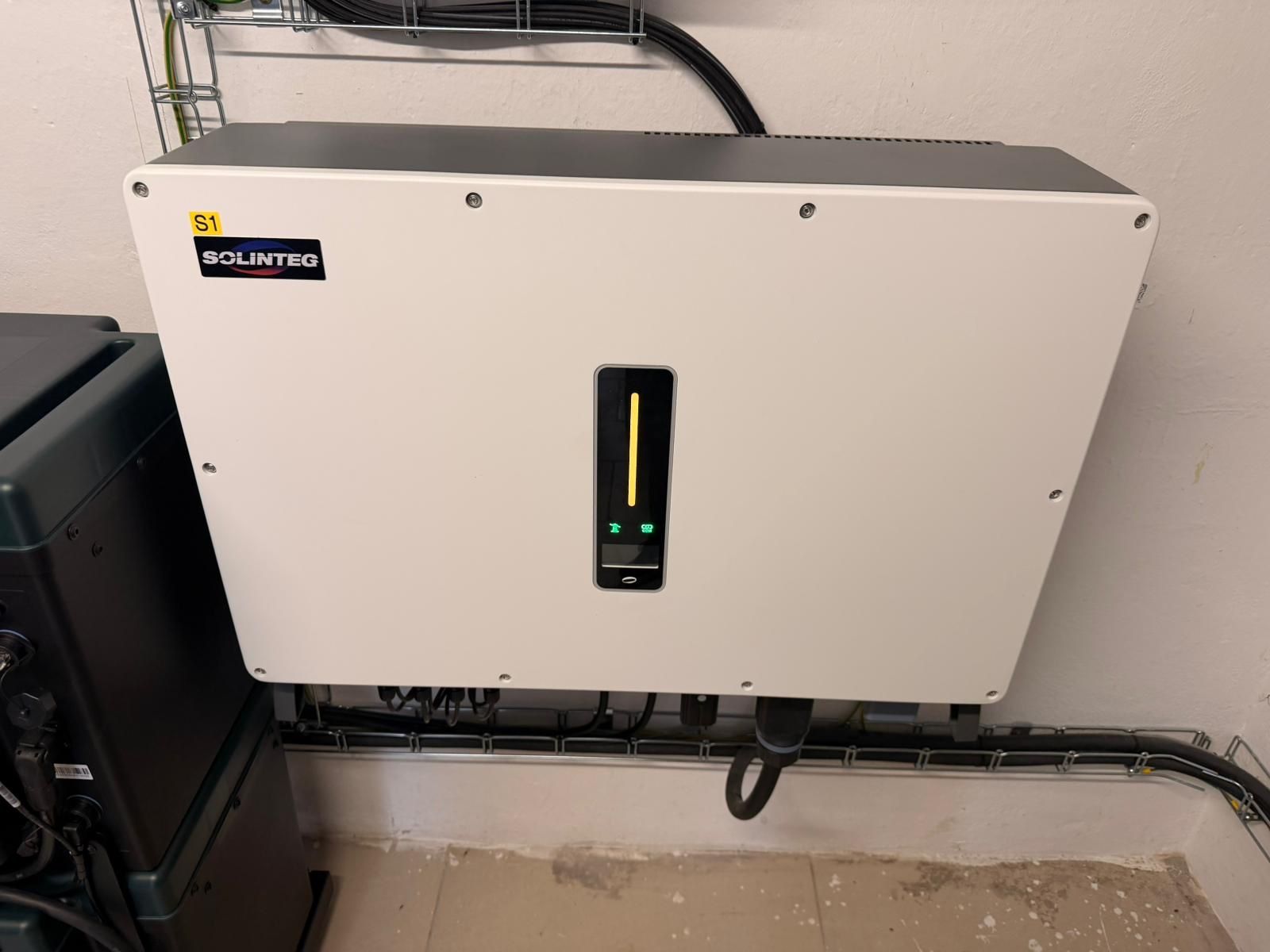
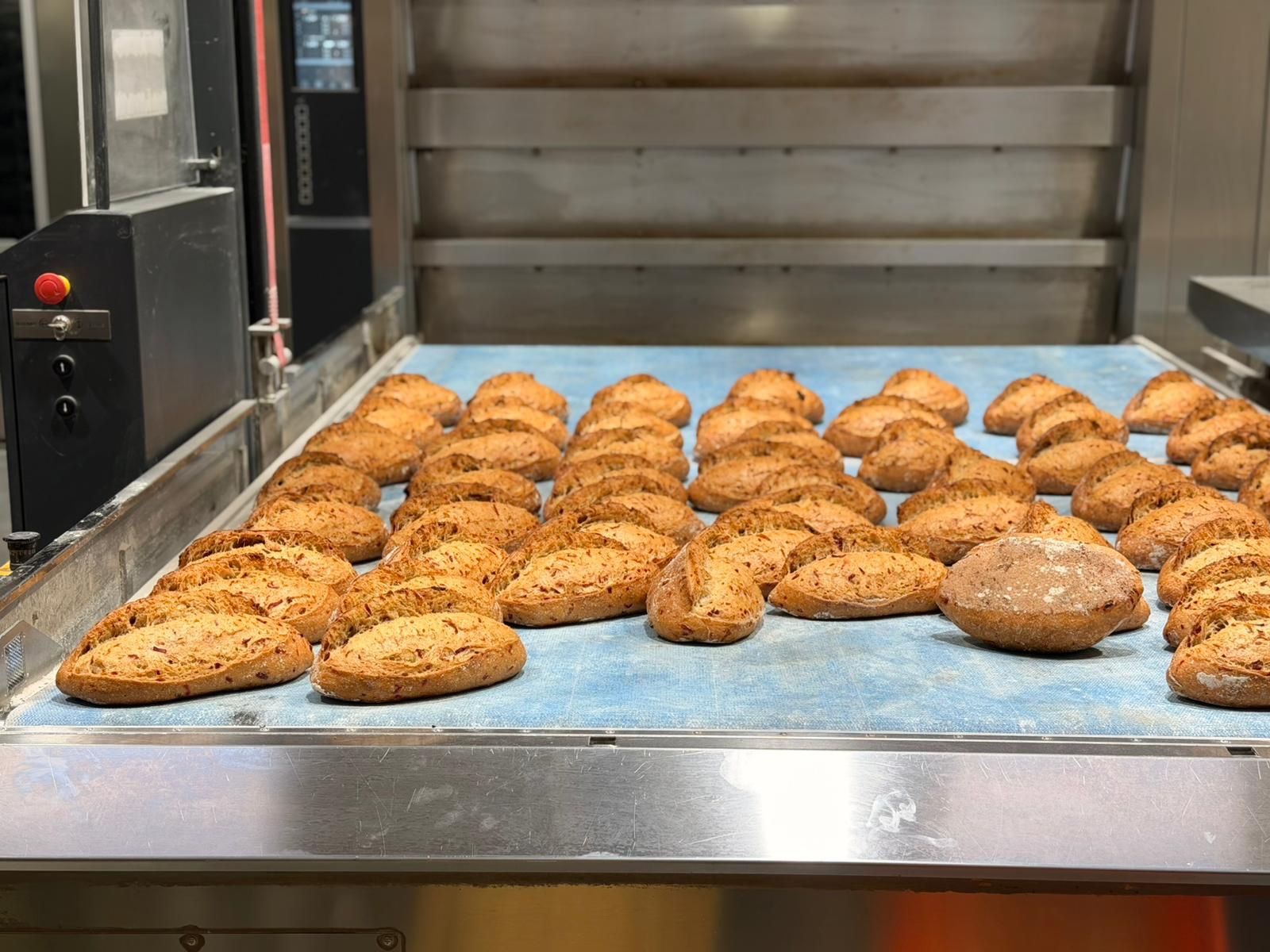
The visit fits the SMEnergy project approach: it not only offers tools and an online platform, but also shows for small and medium-sized enterprises that through concrete, tangible examples the green transition is now a real, working practice, not just a long-term goal.
Next steps
The meeting in Bratislava marked an important milestone in the completion of the pilots, the finalization of the GEKOS hubs' operating model, and the development of a transnational strategy. The partners agreed that, building on the experience gained and the workshop materials, the SMEnergy closing conference and project meeting will be held in Budapest in June 2026, focusing on the presentation of the finalized strategy and action plans.
The SMEnergy project is aligned with the Interreg Danube Region Programme 2021-2027 priority, “A greener, low-carbon Danube Region”, and will directly contribute to the programme Specific Objective 2.1, “Support greening the energy and transport sectors in the Danube Region by enhancing the integration of renewable energy sources”.