Professional cooperation for building renovation
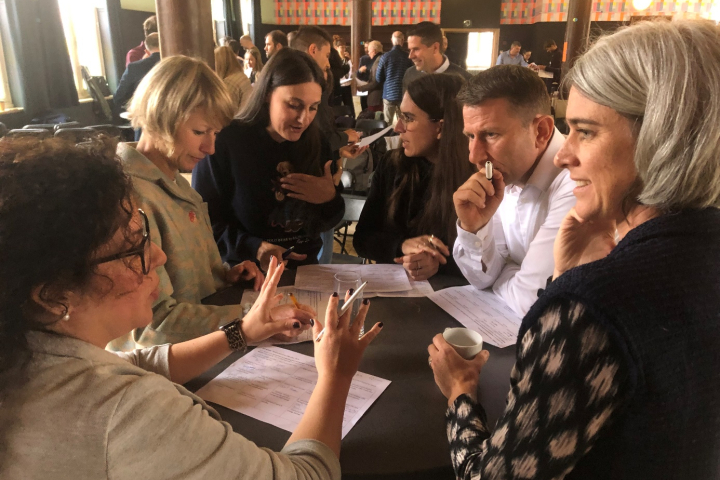
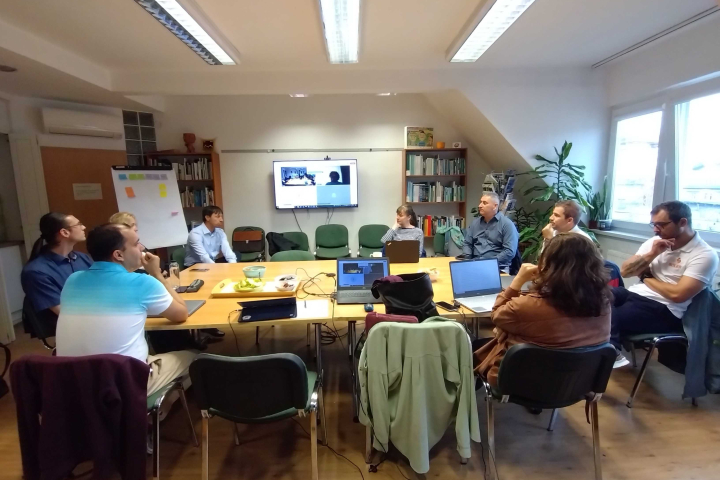
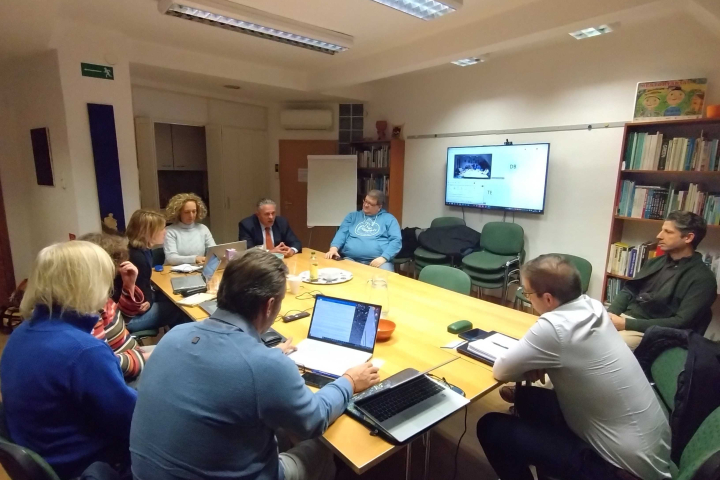
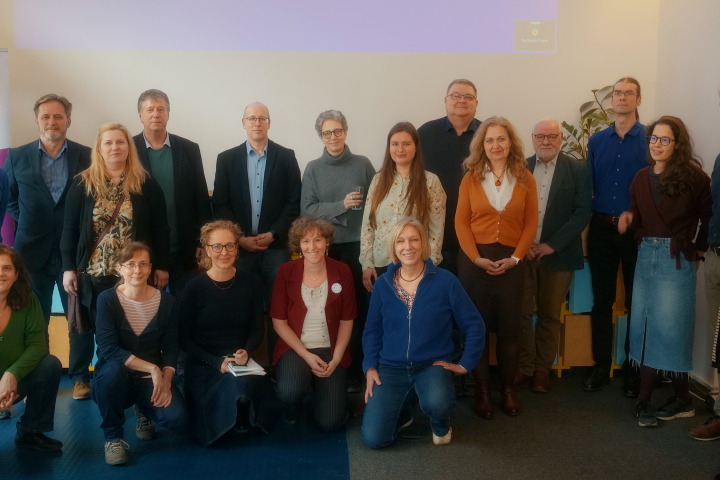
Equilibrium Institute has organized two roundtable discussions for decision-makers: key players in the construction industry (building material manufacturers, independent experts, renewable energy industry experts) held talks with senior officials from the Ministry of Energy and the Ministry of Construction and Transport. The meeting was also attended by Áron Horváth and Ilona Illésné Szécsi, representatives of the Hungarian Energy Efficiency Institute (MEHI) and the Energiaklub Climate Policy Institute, who emphasized, among other things, the importance of one-stop shops.
Csaba Gondola, State Secretary for Circular Economy and Climate Policy, Daniella Deli, Deputy State Secretary for Climate Policy, Regő Lánszki, State Secretary for Architecture, and Renáta Határ, Deputy State Secretary for Construction Economics, took part in the professional consultations organized with partners from the construction industry.
Construction industry experts have been working with the Equilibrium Institute for three years to promote building energy programs, and on this occasion, as a follow-up to the May 2025 consultation presenting 29 proposals, five proposals were discussed in detail. Our goal is to incorporate these professional considerations into the National Building Renovation Plan (NÉT) prepared by the government.
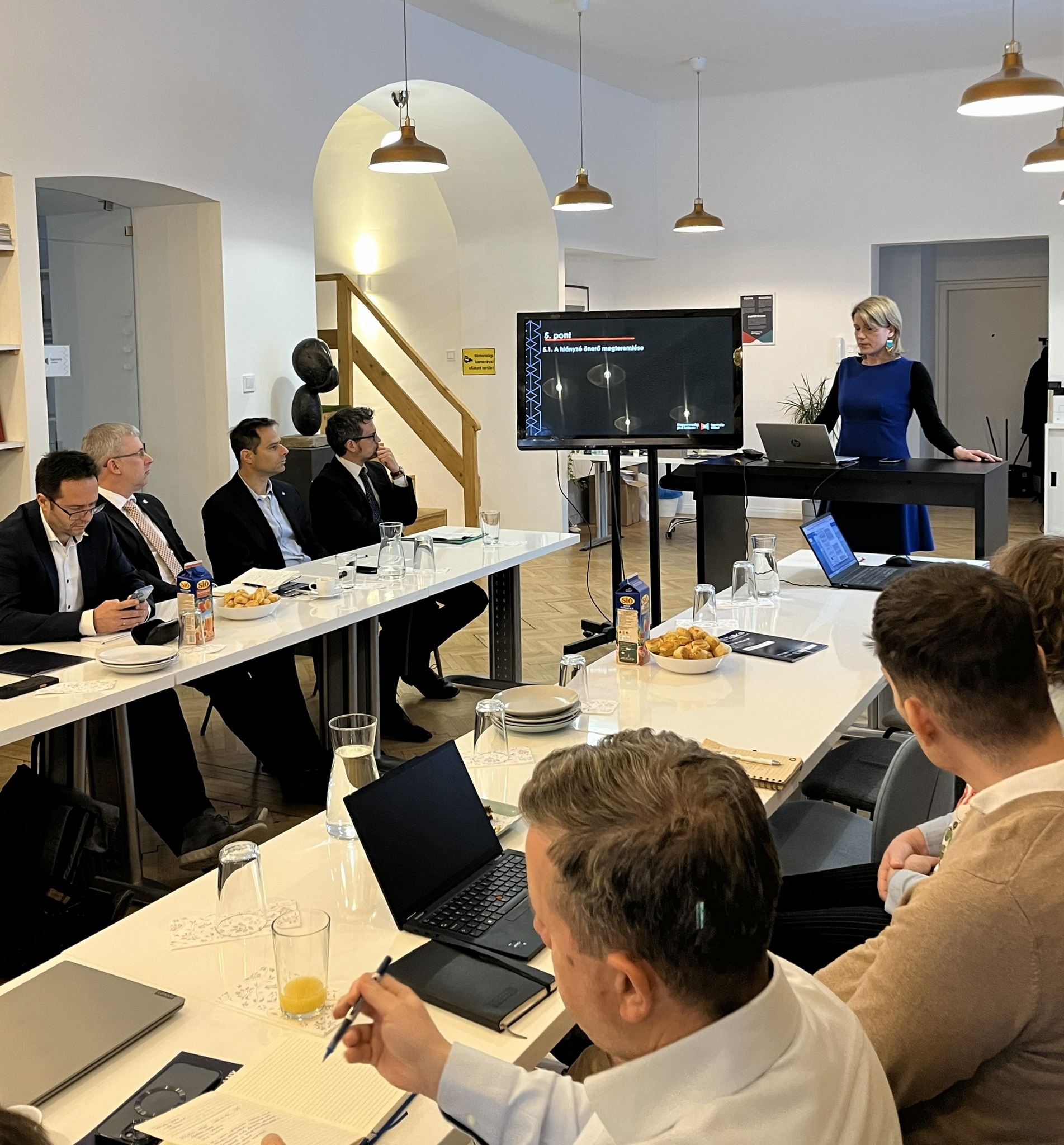
One of the five proposals presented was the development of a one-stop shop (OSS) for renovation support. All participants agreed that independent technical, financial, and administrative assistance would significantly contribute to boosting the quantity and quality of renovations. This is due to the lack of expertise and knowledge among renovators and the need to raise awareness. There was general agreement that one-stop shops should be available both digitally and in person nationwide. It was also suggested that the advisory network could provide assistance to renovators not only on energy efficiency, but also on renewable energy and urban planning, as well as architectural issues. It is important that the advisory network supports family house owners and apartment owners, as well as entire condominiums. Those present also considered monitoring to be essential: however, the question is whether only the number of consultations should be measured, or whether direct/indirect contributions to renovations should be also measured. On the other hand, opinions were divided on who should finance this system: some argued in favor of market-based OSSs, even though they may not necessarily be able to provide brand- and technology-independent advice, while others considered public funding to be unavoidable in order to ensure independent advice and support for lower-income households. The EU Peers community was also mentioned, where members share useful experiences with each other related to OSS.
The joint work that has been ongoing since 2023 can contribute to the launch of a predictable and effective renovation program, and a successful National Building Renovation Plan will help reduce energy costs for households and economic actors, energy security, healthier and more affordable homes, reduced climate risks, and economic growth.